Pilates has recently gained rapid popularity in Hong Kong, attracting many participants due to its emphasis on mind-body integration, muscle training, and control.
However, the backgrounds of Pilates instructors in the market vary greatly, and many students are unfamiliar with professional certification. It is recommended to first understand the licensing bodies in the industry and realize that Pilates has professional recognition. Those who want to enter or switch careers should first assess their own interests and financial capabilities, and explore different professional paths within various systems.
International System vs. Other Systems
| Features | international system | Other systems |
|---|---|---|
| Training duration | The learning process is lengthy and requires simultaneous learning and teaching, combining theory with practice. | Short time, quick license test |
| Certification process | Rigorous assessment, high value, scarce in the market | Typically, the process is simplified. |
| Tuition fee investment | Expensive (tens of thousands of yuan), long settling period | Relatively low |
| Beginner difficulty | It is difficult and requires a lot of active learning and practice. | Suitable for complete beginners |
| Professional depth | Emphasis on professionalism and inheritance | Emphasis on fast license testing |
| Market evaluation | Venues favor those with high certifications and mentorship. | Different levels of professional expertise |
All Pilates core bed instructors at BY-U Studio
They all come from the four major international systems, so confidence is guaranteed!
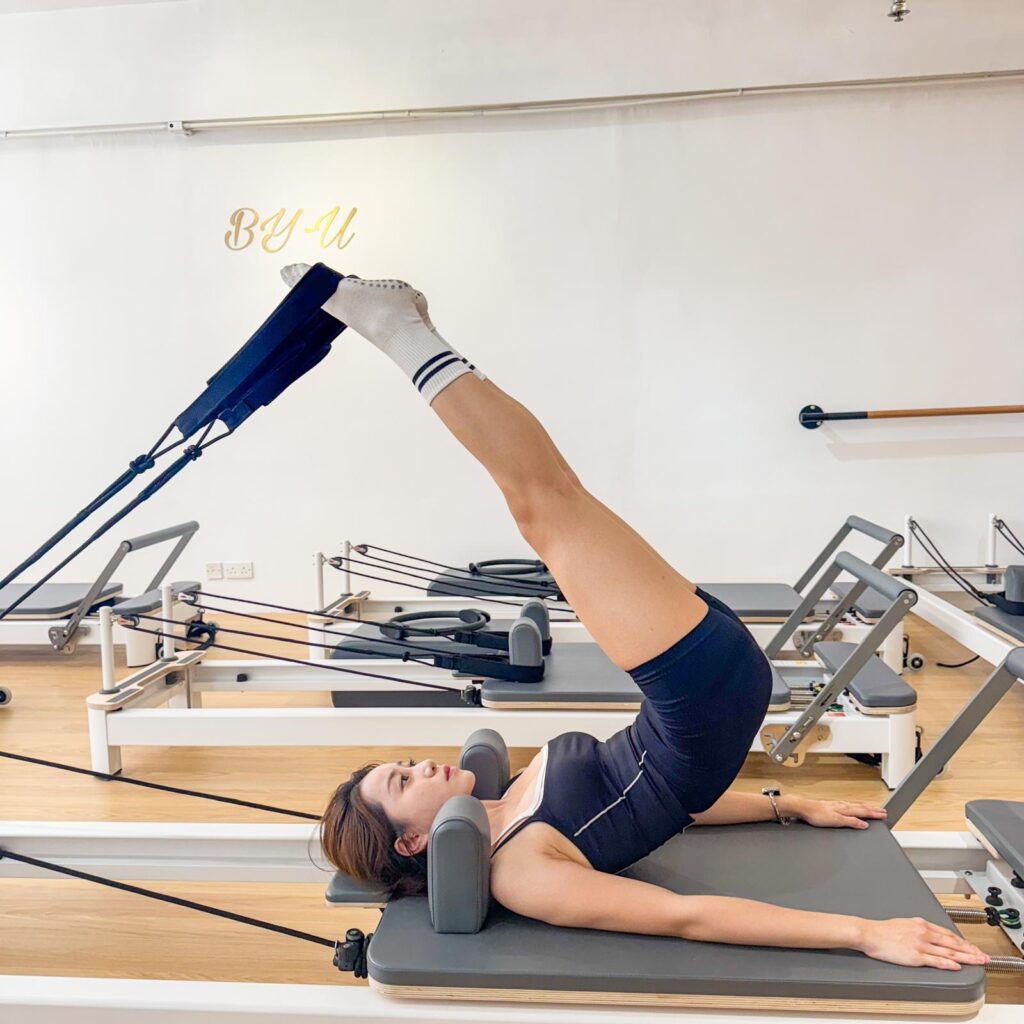
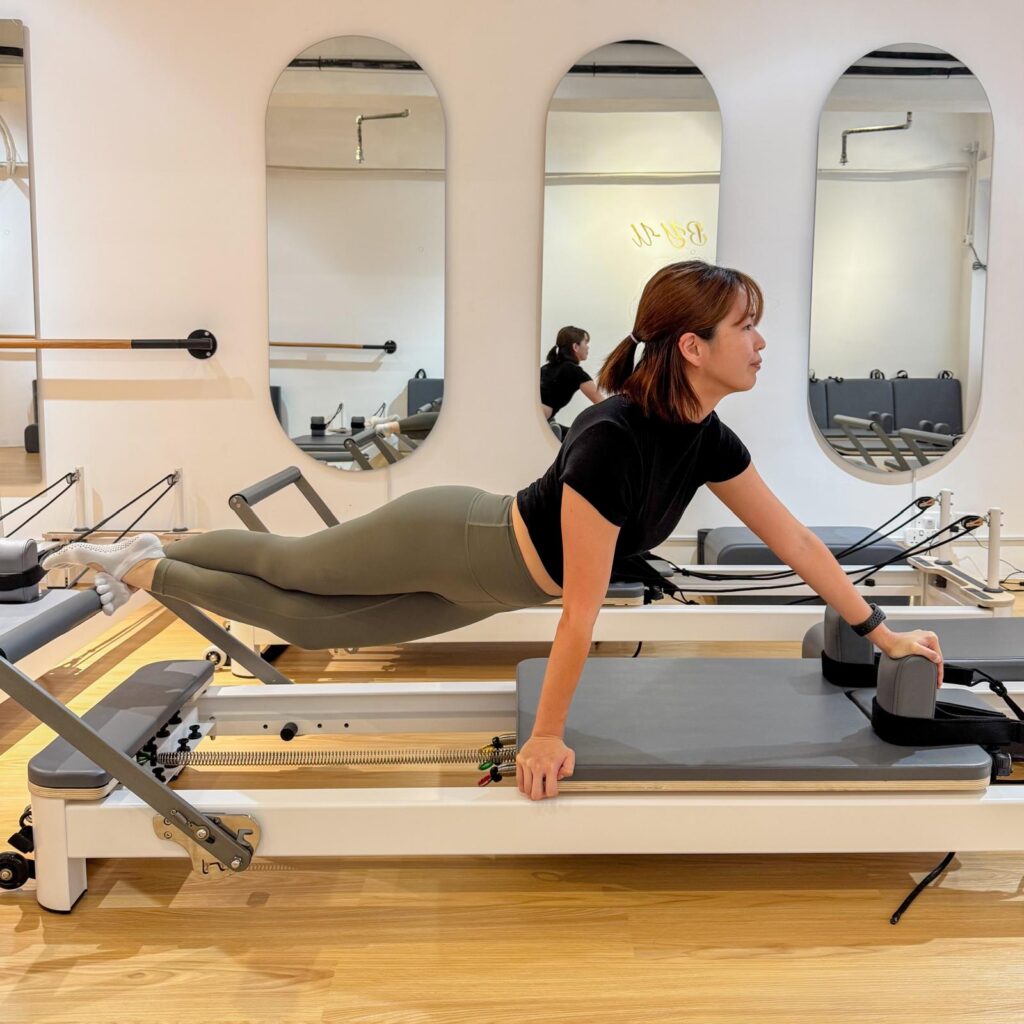
Currently, Pilates education falls into two main categories: "other systems" and "international systems." International systems, such as Stott, Polestar, Balanced Body, and BASI, emphasize rigorous certification assessments, have higher tuition fees and longer study durations, requiring "learning by doing" and extensive practice, but their certificates are highly valued and widely recognized by professional venues. Other systems, on the other hand, have shorter training cycles and lower costs, making them suitable for beginners, but their professional depth and practical experience are debatable.
The four major international systems each have their own strengths:
Essential Principles of the Four Major International Systems
1. Stott Pilates' Six Principles
Breathing
Pelvic Position
Ribcage Placement
Scapular Movement and Stabilization
Head and Neck Position
Lower Extremity Alignment
2. Polestar Pilates' Six Principles
Breath
Axial Elongation & Core Control
Spinal articulation
Head/Neck/Shoulders Adjustment
Alignment and Weight Bearing of the Extremities
Movement Integration
3. Five Principles of BBE / Balanced Body Pilates
Whole Body Movement
Trunk Integration
Lower Body Training
Upper Body Training
Dynamic Flexibility and Restoration
4. BASI Pilates' Ten Principles
Awareness
Breath
Balance
Control
Concentration
Centre
Efficiency
Flow
Harmony
Precision
Key points
Major international systemsThe focus may differ, but the underlying dynamic logic remains the same.All of them emphasize breathing, core, integration, and control.
When choosing a systemTaking into account one's own economic situation, time, learning ability, and development planMake a decision.
Regardless of the systemExtensive self-practice and active engagement after class are crucial.。
suggestion: If you are determined to work in this industry, the international system is the best choice, because it will allow you to "put the money you spend into your brain" and have a higher ceiling for future development.